Table of contents
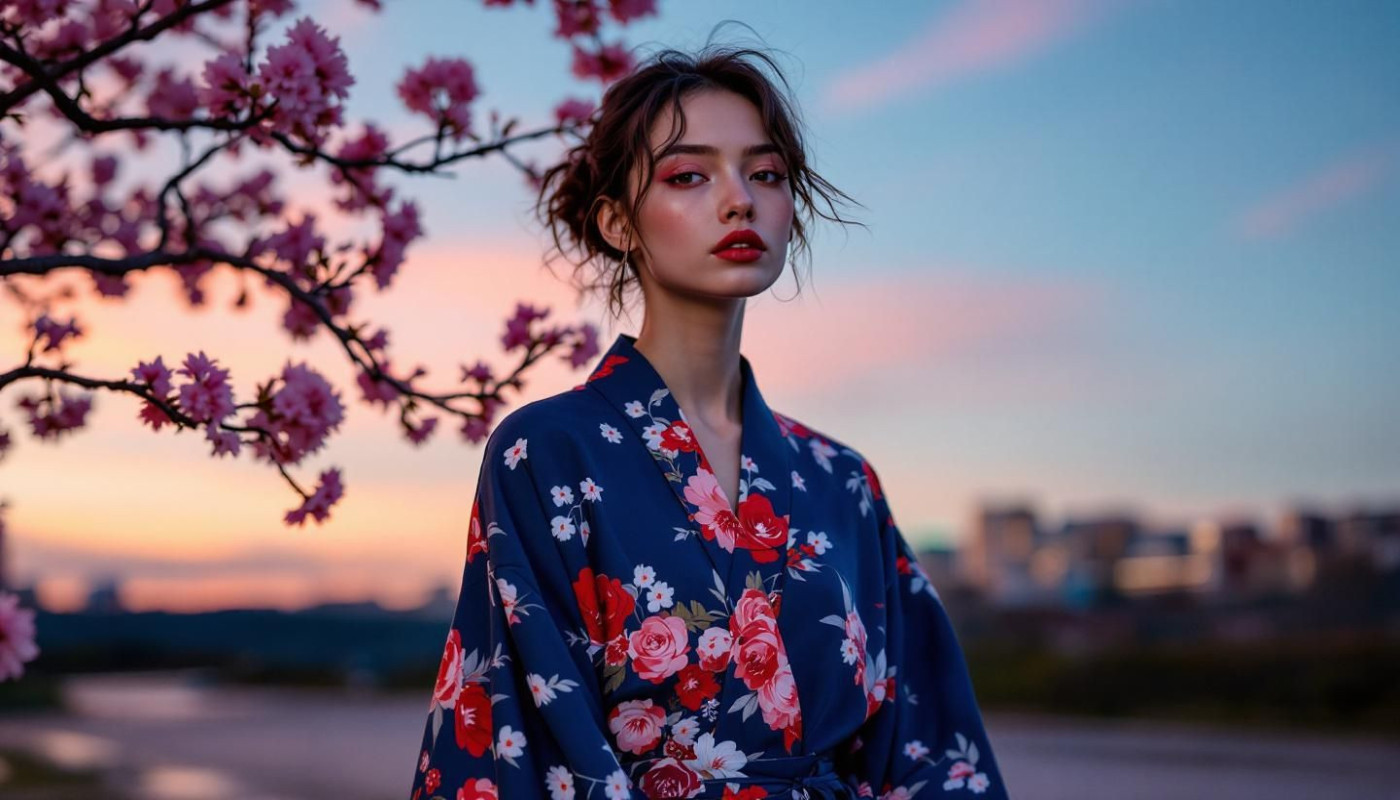
The fusion of modern and traditional Japanese attire has captivated fashion enthusiasts worldwide, revealing a unique blend that transcends cultural boundaries. This intriguing crossover showcases how classic garments can be reimagined for contemporary settings, inviting a fresh perspective on timeless elegance. Discover how these distinctive styles combine to create a harmonious balance, and find inspiration in the way Japanese attire continues to influence global trends.
Modernizing traditional silhouettes
Modern Japanese fashion continually reimagines classic garments such as the kimono and yukata, using inventive tailoring and forward-thinking techniques to serve the evolving needs of today's wearers. Designers are at the forefront of this movement, often utilizing modular design—a concept where clothing components can be detached, recombined, or layered. In practice, this means sleeves, collars, or obi sashes can be swapped or adjusted, allowing for unprecedented versatility while maintaining the recognizable elegance of traditional clothing. Fabric innovation is equally transformative, with lightweight, breathable materials and digital textile printing ushering in new kimono trends, making these garments more accessible for urban lifestyles and global climates. Modular design not only caters to personal expression but also aligns with contemporary style demands for adaptability and sustainability.
The reinterpretation of heritage attire manifests in hybrid silhouettes that blend symbolic motifs with minimalist cuts or bold streetwear elements. Many labels now offer modular kimono jackets and accessories designed for ease of styling, seamlessly merging tradition with urban sensibilities. This fusion attracts a broader audience, expanding the appeal of traditional clothing far beyond ceremonial occasions into everyday fashion. For those seeking authentic yet contemporary Japanese garments, platforms such as click now highlight the latest trends and showcase the innovative spirit of modern Japanese fashion, making it easier to discover and embrace these evolving styles.
Blending East and West aesthetics
Fusion fashion stands at the forefront of cultural fashion innovation, where Japanese streetwear and traditional garments like kimono and hakama intermingle with Western cuts and fabrics. Designers frequently employ layering, a hallmark of both Japanese streetwear and classic Japanese dress, pairing structured blazers with flowing kimono sleeves or denim with obi-inspired belts. This East meets West synergy is also reflected in the color palettes—muted earth tones characteristic of Japanese tradition are combined with the bold hues typical of Western fashion, creating visually striking ensembles. Texture mixing further distinguishes this movement, as silk, cotton, and technical fabrics are juxtaposed for tactile and visual intrigue. Kimono fusion pieces, for instance, might feature Western tailoring alongside traditional Japanese prints or utilize contemporary closures on vintage silhouettes. The interplay of these elements not only enriches the vocabulary of global style but also challenges and expands conventional definitions of both Japanese and Western dress, resulting in hybrid garments that capture the imagination of a worldwide audience.
Symbolism in attire crossover
When traditional Japanese garments are reimagined for contemporary wear, the embedded Japanese symbolism within their iconography often takes on fresh interpretations while preserving deep-rooted meanings. Classic motifs such as cranes, cherry blossoms, or waves—once exclusive to ceremonial or seasonal kimono—are now intricately woven into the fabric of modern kimono and streetwear, transforming cultural motifs into statements of personal identity and style. The evolution of attire crossover introduces these time-honored patterns into new contexts, where fashion iconography bridges generations and geographies, allowing wearers to express both heritage and individuality. In the modern era, iconic designs like the seigaiha wave or tsubaki camellia might signal resilience or hopeful beginnings, offering nuanced layers of meaning that speak to current values as well as enduring tradition. This interplay between past and present highlights how attire crossover in Japanese fashion not only preserves but also dynamically reinvents the symbolic lexicon, capturing the attention of global audiences and reinforcing the enduring power of Japanese symbolism.
Influence on global fashion trends
The crossover appeal of Japanese attire has significantly shaped global fashion, with Japanese influence visible in both high-end and mainstream collections worldwide. Designers often draw inspiration from traditional garments such as the kimono, incorporating kimono-inspired silhouettes, obi belts, and unique textile techniques into their work. This phenomenon, known in the industry as trend diffusion, showcases how essential Japanese elements transition from cultural heritage into international style. In recent years, trend diffusion has been accelerated by the popularity of Japanese street style, which has brought layering, unconventional proportions, and bold patterns to the forefront of global fashion. As a result, the Japanese influence now permeates major fashion capitals, motivating both established and emerging designers to reinterpret their collections through this distinctive lens, ensuring that modern and traditional Japanese attire remain integral to the evolution of international style.
Sustainability and cultural preservation
The merging of modern and traditional Japanese attire serves as a driving force for sustainable fashion by incorporating circular fashion principles such as upcycling and slow fashion. Designers increasingly repurpose vintage kimono fabrics and obi sashes, breathing new life into forgotten garments and reducing waste in the process. This dedication to reusing existing materials aligns with the core values of circular fashion, where resources are kept in use for as long as possible. Such approaches are deeply rooted in Japanese heritage, where mending, repairing, and reimagining garments have been long-standing customs. Through these practices, contemporary creators not only minimize the environmental impact of fashion but also foster cultural preservation by ensuring traditional techniques are passed down and remain relevant in today’s context.
Many modern Japanese labels harness age-old dyeing and weaving methods, such as shibori and kasuri, integrating them within present-day silhouettes to emphasize both sustainability and the richness of Japanese heritage. This approach supports the continuity of artisanal skills and keeps local craftspeople engaged, intertwining economic vitality with cultural preservation. The result is a dynamic fashion landscape where tradition is honored and reinterpreted for modern lifestyles, showcasing how sustainable fashion and respect for heritage can coexist. The widespread adoption of these principles within the industry not only supports environmental stewardship but also reinforces the value of traditional techniques for future generations.
On the same subject

How Do Slimming Garments Enhance Body Confidence?

Exploring The Impact Of Streetwear On Modern Japanese Fashion?

Exploring The Rise Of Streetwear In Modern Japanese Fashion

Exploring The Resurgence Of 2000s Fashion Trends

Exploring The Rise Of Traditional Motifs In Modern Street Fashion
Exploring The Rise Of Streetwear Influence In Modern Japanese Fashion
Exploring The Roots Of Streetwear's Influence In Japanese Fashion
How Modern Streetwear Merges With Traditional Japanese Apparel?

Watches and wonders 2025, the Rolex Land-Dweller turns heads!

Where to buy a TAG Heuer watch in the Caribbean?

Exploring The Timeless Appeal Of Bohemian Dresses In Modern Fashion

How To Achieve A Salon-quality Manicure At Home With Nail Stickers

Exploring The Popularity Of Themed Slippers In Modern Fashion

Exploring The Versatility Of Aztec-Themed Blankets In Modern Home Decor

Accessorizing With Satin: Scarves And Ties For Every Occasion
