
Table of contents
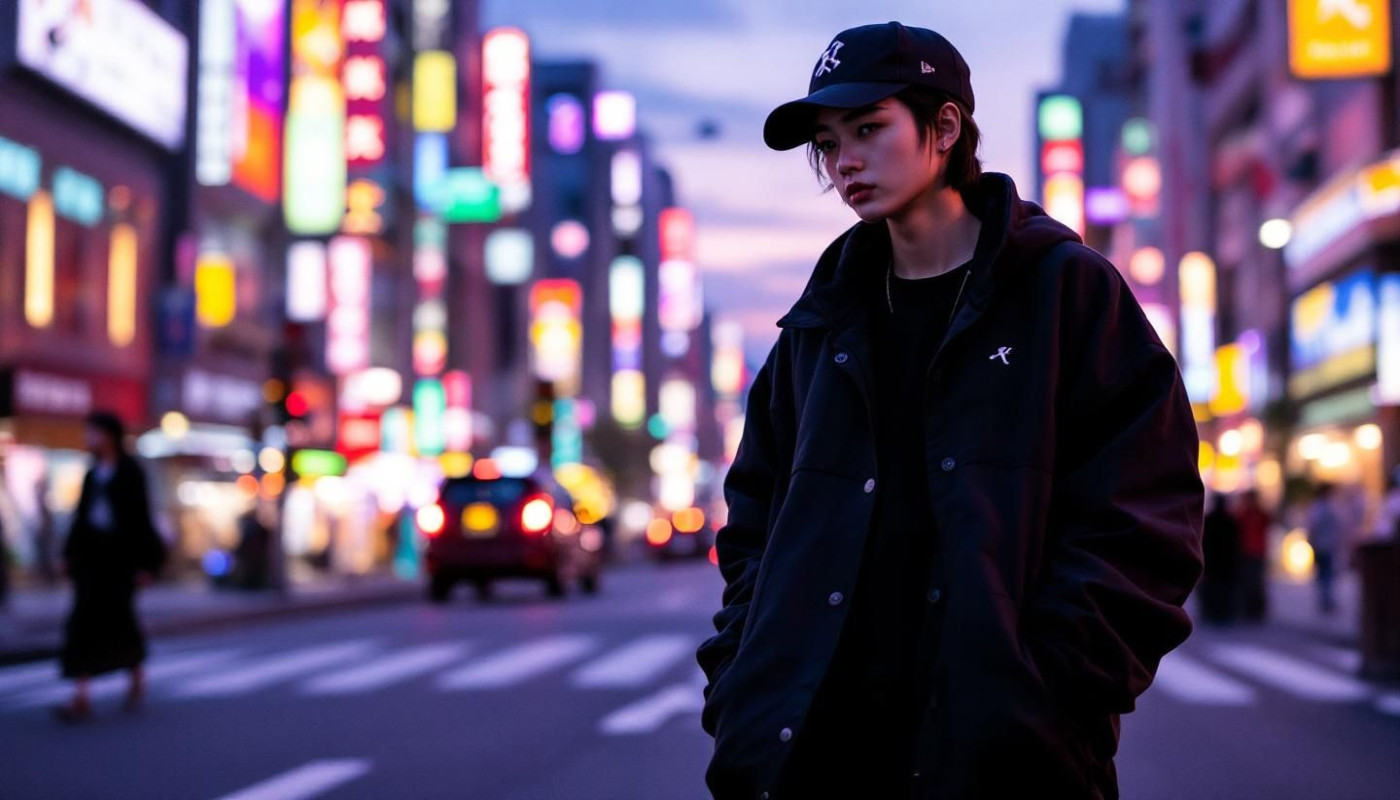
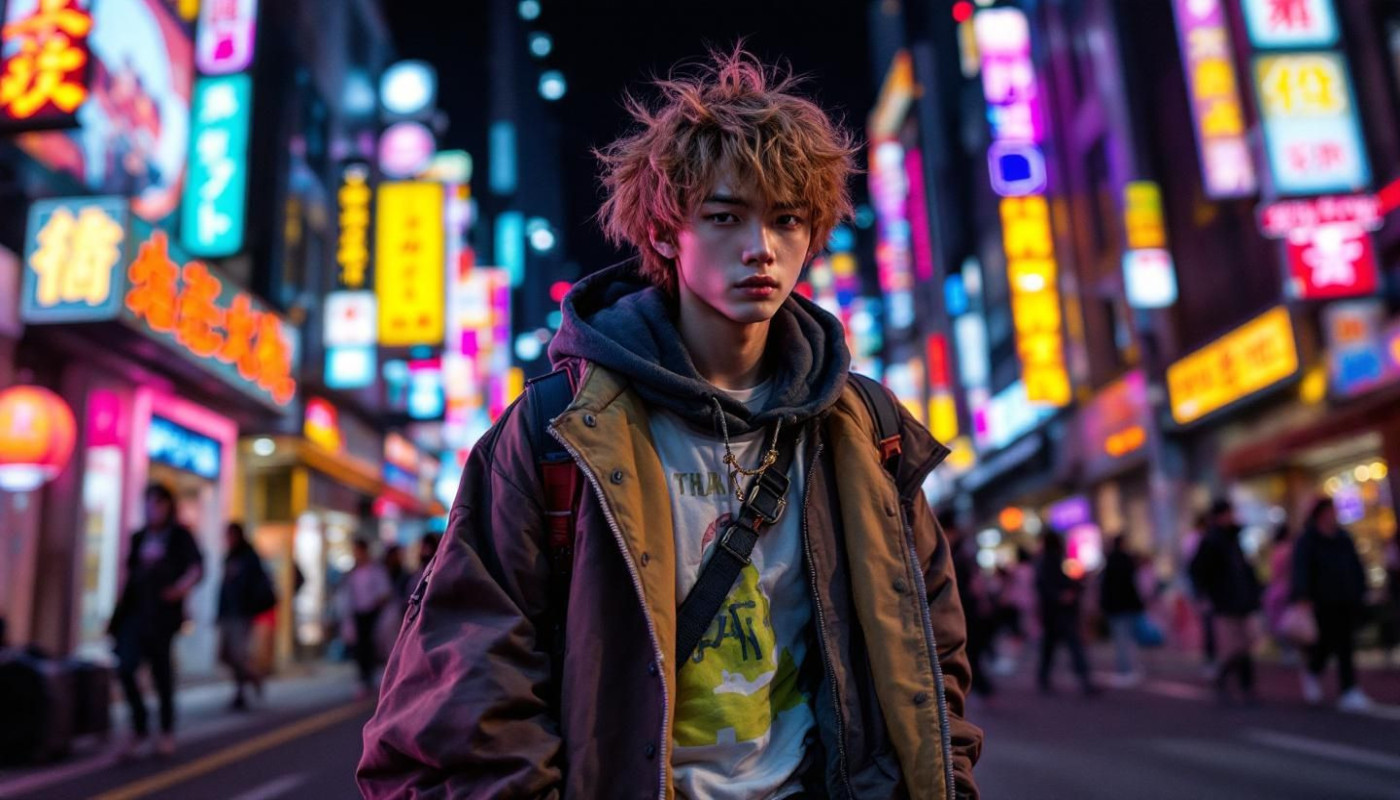
Streetwear has reshaped the landscape of modern Japanese fashion, blending urban influences with unique cultural elements. This fusion has sparked new trends and redefined self-expression for today’s youth, making the streets of Tokyo a vibrant runway. Explore how these fresh styles reflect deeper societal shifts and discover the forces driving this dynamic transformation in the following sections.
Origins of streetwear in japan
Streetwear history in Japan began to unfold during the late 20th century, when urban youth fashion movements in cities like Tokyo and Osaka started experimenting with new styles. Inspired by Western influence, particularly American skate, hip-hop, and punk scenes, Japanese subcultures such as Ura-Harajuku, Bosozoku, and Gyaru quickly adopted and adapted streetwear elements. The process of cultural hybridization played a pivotal role, blending imported trends with domestic creativity and social context. Japanese designers reinterpreted global aesthetics, infusing them with local motifs, meticulous craftsmanship, and a keen eye for detail, which set the foundation for a new wave of modern Japanese fashion. Urban youth drove this evolution by mixing international brands with homegrown labels, fostering a unique and dynamic street style scene that continues to shape the broader fashion landscape today.
Cultural impact and youth identity
Streetwear has significantly shaped youth identity in Japan, allowing individuals to engage in self-expression while navigating the complexities of social trends Japan. Through the lens of symbolic interactionism, street style Japan serves as both a personal and collective language, enabling young people to communicate their values, affiliations, and aspirations. These fashion choices are not merely about aesthetics; they function as powerful cultural markers that help define both individuality and group association within Japanese society. The integration of global influences with traditional Japanese elements further enhances the unique flavor of streetwear, reflecting the dynamic cultural impact of this movement.
Within urban environments like Tokyo and Osaka, youth identity is deeply intertwined with the evolution of street style Japan. As trends emerge and shift, groups form around shared aesthetics, often using fashion as a means to signal belonging or distinction. This phenomenon reveals how clothing becomes a form of social currency, where membership in particular subcultures or fashion tribes is visually communicated. The widespread adoption of streetwear has also encouraged greater acceptance of diverse modes of self-expression, fostering an environment where creativity and innovation thrive among young people.
As a testament to the ongoing influence of streetwear on modern Japanese fashion, enthusiasts and newcomers alike can explore the latest social trends Japan by visiting curated platforms. For a comprehensive selection of street style and urban-inspired apparel, visit the website for inspiration and unique items that exemplify the vibrant fusion of global and Japanese cultural elements: visit the website.
Streetwear’s innovation and adaptation
Japanese streetwear represents a pinnacle of fashion innovation, thanks to a relentless pursuit of new materials, production techniques, and design evolution. Brands often experiment with advanced material technology like water-repellent fabrics, lightweight synthetics, and eco-friendly textiles that redefine comfort and functionality. This approach has set industry standards, as frequent design iteration allows for continual refinement in both aesthetics and performance. The integration of high-tech textiles not only enhances wearability but also fosters collaborations between designers, fabric engineers, and manufacturers, resulting in garments that are both visually compelling and technically advanced.
In the context of Japanese streetwear trends, adaptation is equally significant. Designers draw on global trends Japan imports, such as bold graphic motifs, oversized silhouettes, and sneaker culture, yet each element is reinterpreted to reflect local sensibilities. Traditional Japanese influences like sashiko stitching, kimono cuts, and calligraphic prints are seamlessly merged with international street styles. This dynamic interplay enables Japanese streetwear to remain authentic while resonating on the worldwide stage, demonstrating how innovation and cultural adaptation fuel a distinctive, evolving fashion identity.
Influence on mainstream fashion
Streetwear influence in Japan has undergone a remarkable transformation, evolving from its underground origins into a defining force within mainstream Japanese fashion. This shift is a prime example of fashion diffusion, where aesthetics and sensibilities once confined to youth subcultures have permeated every layer of the fashion industry Japan. Retail trends now reflect this evolution, with major department stores and boutique retailers curating extensive selections of streetwear-inspired pieces alongside traditional offerings. This integration has not only broadened consumer preferences, encouraging experimentation with silhouettes and branding, but has also pushed legacy brands to collaborate with or draw inspiration from streetwear labels.
On runway fashion Japan, the impact of streetwear is evident in collections showcased by both emerging and established designers. The lines between luxury and casualwear have blurred, as high fashion houses incorporate oversized fits, graphic motifs, and utilitarian details that originated in streetwear culture. These elements have become staples on the Japanese catwalks, attracting global attention and setting new standards for contemporary design. As a result, Japanese fashion weeks frequently feature collaborations between traditional ateliers and streetwear innovators, demonstrating the enduring appeal and adaptability of this style.
The mainstreaming of streetwear has also reshaped the broader fashion industry Japan, fueling a surge in demand for limited-edition drops and exclusive collaborations. This trend reflects a change in how Japanese consumers view status and individuality, prompting brands to adopt unconventional marketing strategies and direct-to-consumer models. In sum, the journey of streetwear from underground to mainstream has not only diversified the retail landscape but also redefined the values and aspirations of fashion-conscious individuals across Japan.
Global perception and future directions
Japanese streetwear has garnered a distinctive reputation within the global streetwear community, often praised for its innovative aesthetics, intricate detailing, and ability to blend subcultural influences with traditional elements. The worldwide influence of designers such as Hiroshi Fujiwara and brands like A Bathing Ape and Comme des Garçons has solidified Japan as a leader in shaping Japanese fashion trends that resonate far beyond its borders. Through extensive cross-cultural exchange, Japanese streetwear not only absorbs but also reinterprets motifs and styles from Western and other Asian fashion capitals, resulting in a continuous streetwear evolution. This dynamic interplay enhances the appeal of Japanese brands on a global scale, reinforcing their status as trendsetters and visionaries in future fashion Japan.
Looking ahead, emerging trends suggest that sustainability, digital innovation, and gender fluidity will increasingly inform the direction of global streetwear and Japanese fashion trends alike. Forecasts from global fashion trend forecasters highlight the growing adoption of eco-conscious materials, the integration of virtual platforms for collaboration, and a shift towards inclusive, non-binary silhouettes. The ongoing dialogue between Japanese and international designers will remain a driving force, ensuring that future fashion Japan continues to lead in creativity and experimentation. As cross-cultural exchange deepens, the evolution of Japanese streetwear is poised to maintain its worldwide influence, inspiring new generations of enthusiasts and designers around the globe.
On the same subject

How Do Slimming Garments Enhance Body Confidence?

Exploring The Rise Of Streetwear In Modern Japanese Fashion

Exploring The Resurgence Of 2000s Fashion Trends

Exploring The Rise Of Traditional Motifs In Modern Street Fashion
Exploring The Rise Of Streetwear Influence In Modern Japanese Fashion
Exploring The Roots Of Streetwear's Influence In Japanese Fashion

How Modern Streetwear Merges With Traditional Japanese Apparel?

Exploring The Crossover Appeal Of Modern And Traditional Japanese Attire

Watches and wonders 2025, the Rolex Land-Dweller turns heads!

Where to buy a TAG Heuer watch in the Caribbean?

Exploring The Timeless Appeal Of Bohemian Dresses In Modern Fashion

How To Achieve A Salon-quality Manicure At Home With Nail Stickers

Exploring The Popularity Of Themed Slippers In Modern Fashion

Exploring The Versatility Of Aztec-Themed Blankets In Modern Home Decor

Accessorizing With Satin: Scarves And Ties For Every Occasion
