Table of contents
Dive into the nostalgic revival of 2000s fashion as it sweeps through modern wardrobes and social feeds. Uncover why these bold trends are making a comeback, blending past influences with contemporary flair. Explore what makes this era’s style resonate today and learn how it’s shaping the current fashion landscape.
The Y2K Aesthetic Returns
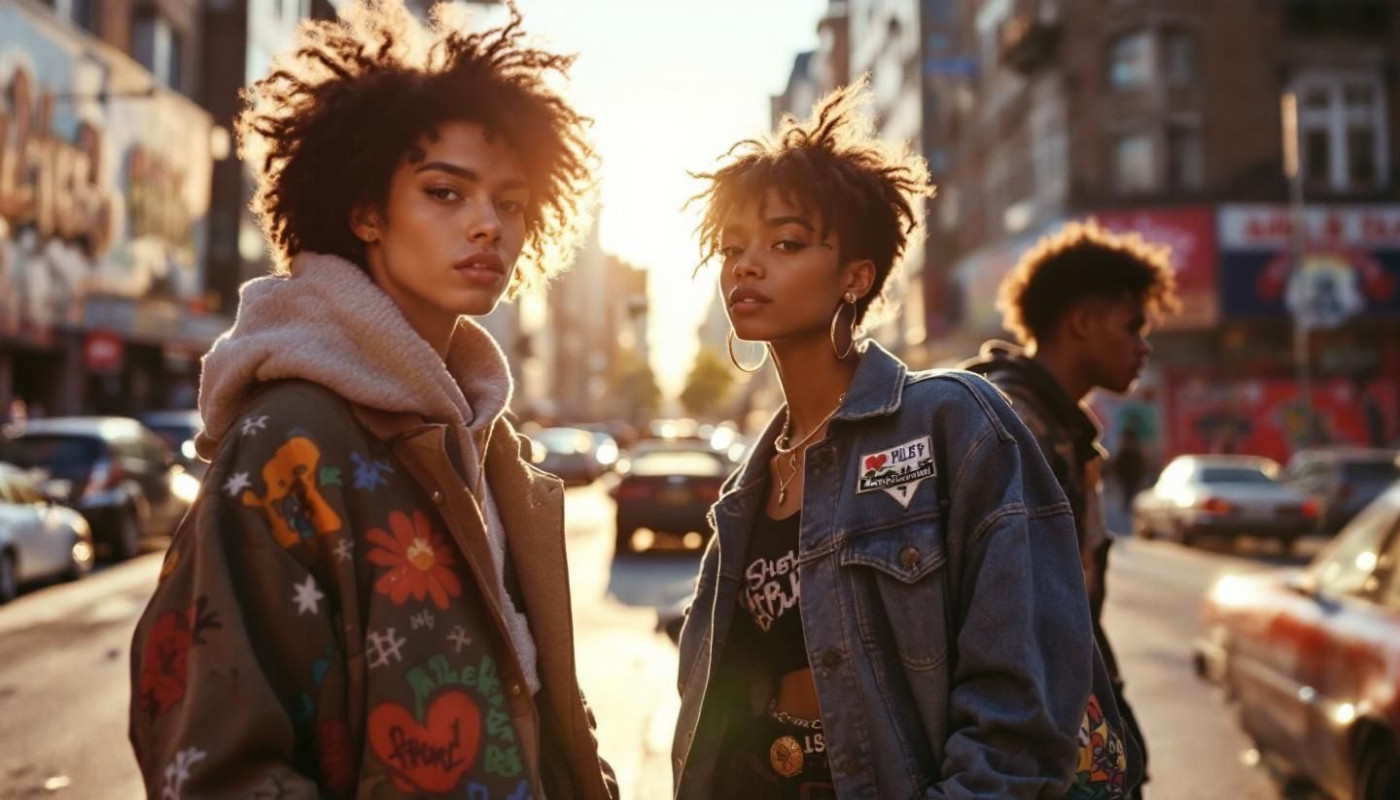
The Y2K fashion aesthetic movement is experiencing a revival, with metallic fabrics, low-rise jeans, and bold accessories like chunky belts and tinted sunglasses once again dominating wardrobes. This resurgence of 2000s style is characterized by a playful embrace of futuristic elements, glossy finishes, and unconventional silhouettes that defined early 21st-century youth culture. The trend revival is not just about the clothing itself but also the way these pieces are styled and layered, echoing the experimental spirit of the original era. Distinctive features such as rhinestone embellishments, butterfly motifs, and micro-minis are also making appearances, all contributing to the unmistakable Y2K fashion identity.
Nostalgia plays a pivotal role in the return of these trends, as younger generations—many of whom are experiencing these looks for the first time—seek to reinterpret and personalize 2000s style. Digital culture, particularly social media platforms like TikTok and Instagram, has accelerated the spread and popularity of Y2K fashion, turning archived celebrity photos and decade-defining music videos into contemporary inspiration boards. The combination of nostalgia and the rapid influence of digital culture ensures that the aesthetic movement remains dynamic and highly visible in modern fashion conversations, blending past influences with current sensibilities.
Accessories That Defined An Era
2000s accessories stand out as defining elements that shaped fashion trends and left a memorable legacy on contemporary style. Chunky belts, often worn low on the hips, became statement pieces, introducing a bold silhouette that contrasted sharply with the minimalist lines of previous decades. Tinted sunglasses, with their playful colors and oversized frames, were favored by style icons and celebrities, instantly elevating any ensemble with a touch of throwback style. Statement hair clips, adorned with rhinestones or whimsical motifs, were both decorative and functional, turning simple hairstyles into expressive fashion moments.
The resurgence of these 2000s accessories in today’s wardrobes highlights how styling details from that era continue to influence modern dressing. Integrating chunky belts or tinted sunglasses into contemporary outfits adds a nostalgic yet fresh touch, bridging the gap between past and present aesthetics. Fashion enthusiasts often use these accessories to inject personality and flair, making them essential tools for expressing individuality. In addition, many current designers draw direct inspiration from iconic statement pieces, ensuring that the influence of 2000s fashion trends remains visible on runways and in street style alike.
Style icons from the early 2000s, such as Paris Hilton and Britney Spears, played a significant role in popularizing these accessories and shaping how they are perceived today. Their public appearances and bold use of styling details transformed chunky belts and statement hair clips into must-have items for those seeking throwback style. The enduring popularity of these pieces reflects a broader appreciation for the playful and experimental spirit of the decade, reinforcing their status as more than just fleeting trends. As a result, 2000s accessories continue to be celebrated for their ability to define an era and inspire new generations of fashion enthusiasts.
Logomania’s Loud Comeback
Logomania, characterized by bold and overt 2000s branding, has made a striking return within the fashion landscape. During its original heyday, prominent logos emblazoned across clothing and accessories served as unmistakable fashion statements, transforming everyday wear into declarations of status and allegiance to specific labels. This embrace of readily identifiable visual identity allowed individuals to showcase their affinity for brands, turning logo trend pieces into badges of expressive style and confidence. The omnipresence of logos in the 2000s was not simply about consumerism; it was intricately tied to personal identity and the desire to stand out in a crowd flooded with options.
Today’s resurgence of logomania sees fashion enthusiasts reinterpret the concept with a fresh, nuanced perspective. While the essence of the logo trend remains rooted in self-expression, current iterations often blend nostalgia with subtlety, balancing oversized graphics with more refined, minimalist designs. Vintage pieces sporting legacy logos are now juxtaposed with contemporary streetwear, highlighting the adaptability of this visual identity phenomenon. Social media, especially platforms favoring bold visuals, has amplified this revival, enabling a new generation to connect with the expressive style that defined the original movement.
The renewed interest in 2000s branding speaks to broader cultural shifts, where individuality and authenticity are celebrated. Rather than simply replicating past aesthetics, designers and consumers alike are leveraging logomania as a tool for curating personal narratives through fashion. The logo trend is no longer limited to luxury labels; accessible brands join the movement, democratizing expressive style and making bold branding available to a wider audience. This evolution signals a collective desire for fashion that both references history and forges new pathways in self-presentation.
Fashion analysts note that the contemporary take on logomania incorporates a sophisticated understanding of visual identity, recognizing logos as more than decorative elements. They serve as commentaries on consumer culture, nostalgia, and the power dynamics within the fashion industry. As this expressive style continues to capture attention, the enduring relevance of 2000s branding is clear, offering a dynamic intersection of retro appeal and modern sensibility that resonates strongly with today’s fashion-conscious public.
Techwear And Futuristic Vibes
The early 2000s witnessed the emergence of techwear, a style movement that fused futuristic fashion with cutting-edge performance fabrics and inventive silhouettes. Designers of that era drew inspiration from cyberpunk aesthetics, integrating utilitarian details such as zippered pockets, adjustable straps, and waterproof coatings. The use of innovative materials, including neoprene, reflective textiles, and lightweight synthetics, not only enhanced functionality but also created a visually forward-thinking look that set techwear apart from traditional streetwear. These elements contributed significantly to defining 2000s trends, marked by a bold embrace of technology and creative material engineering.
In recent years, modern style has seen a revival of these distinctive features, with contemporary designers reinterpreting 2000s techwear motifs for a new generation. Current collections prioritize both performance and style, seamlessly blending practicality with a futuristic edge. Many brands are adopting technical fabrics and modular designs, echoing the pioneering spirit of early 2000s fashion while responding to today's demand for versatility and urban adaptability. For individuals seeking inspiration or products that capture this renewed fascination with techwear and futuristic fashion, More Help offers a curated selection that reflects the dynamic fusion of innovation and nostalgia, showcasing how 2000s trends continue to shape the present landscape.
Pop Culture’s Role In Fashion
Pop culture influence from the 2000s resonates strongly in today’s wardrobes, largely due to the era’s transformative music and film. Chart-topping artists and blockbuster movies of the time did not just entertain; they broadcast distinct music fashion and film style cues that quickly entered the mainstream. Signature elements such as denim-on-denim, logo-heavy accessories, and athleisure wear, seen on both stage and screen, spread rapidly through a process known as cultural diffusion. This phenomenon allowed iconic looks from celebrities and movie characters to reach a global audience, turning niche 2000s trends into widespread style statements. The enduring media impact is evident in the ongoing revival of these aesthetics, with social media and streaming platforms today amplifying the reach and reinterpretation of y2k-inspired outfits.
Media continues to play a pivotal part in the adaptation of these revived trends. Influential television series, music videos, and red carpet appearances from the 2000s have become reference points for contemporary designers and fashion enthusiasts, who draw inspiration from the era’s distinct visual language. This cyclical return can be traced to the strong emotional and cultural associations formed through repeated exposure in the media. As a result, 2000s trends not only persist but are constantly reinvented, highlighting the remarkable ability of pop culture influence to shape collective style preferences across generations.
On the same subject
How Do Slimming Garments Enhance Body Confidence?
Exploring The Impact Of Streetwear On Modern Japanese Fashion?
Exploring The Rise Of Streetwear In Modern Japanese Fashion
Exploring The Rise Of Traditional Motifs In Modern Street Fashion
Exploring The Rise Of Streetwear Influence In Modern Japanese Fashion
Exploring The Roots Of Streetwear's Influence In Japanese Fashion
How Modern Streetwear Merges With Traditional Japanese Apparel?
Exploring The Crossover Appeal Of Modern And Traditional Japanese Attire

Watches and wonders 2025, the Rolex Land-Dweller turns heads!

Where to buy a TAG Heuer watch in the Caribbean?

Exploring The Timeless Appeal Of Bohemian Dresses In Modern Fashion

How To Achieve A Salon-quality Manicure At Home With Nail Stickers

Exploring The Popularity Of Themed Slippers In Modern Fashion

Exploring The Versatility Of Aztec-Themed Blankets In Modern Home Decor

Accessorizing With Satin: Scarves And Ties For Every Occasion
