Table of contents
Dive into the fascinating world where streetwear fuses with traditional fashion, shaping a new cultural movement in Japan. This subject unravels the dynamic relationship between urban influences and the nation’s fashion evolution, revealing the nuances that make this phenomenon unique. Explore the following sections to uncover how historical, social, and artistic forces have propelled streetwear to the forefront of Japanese style.
Origins of streetwear culture
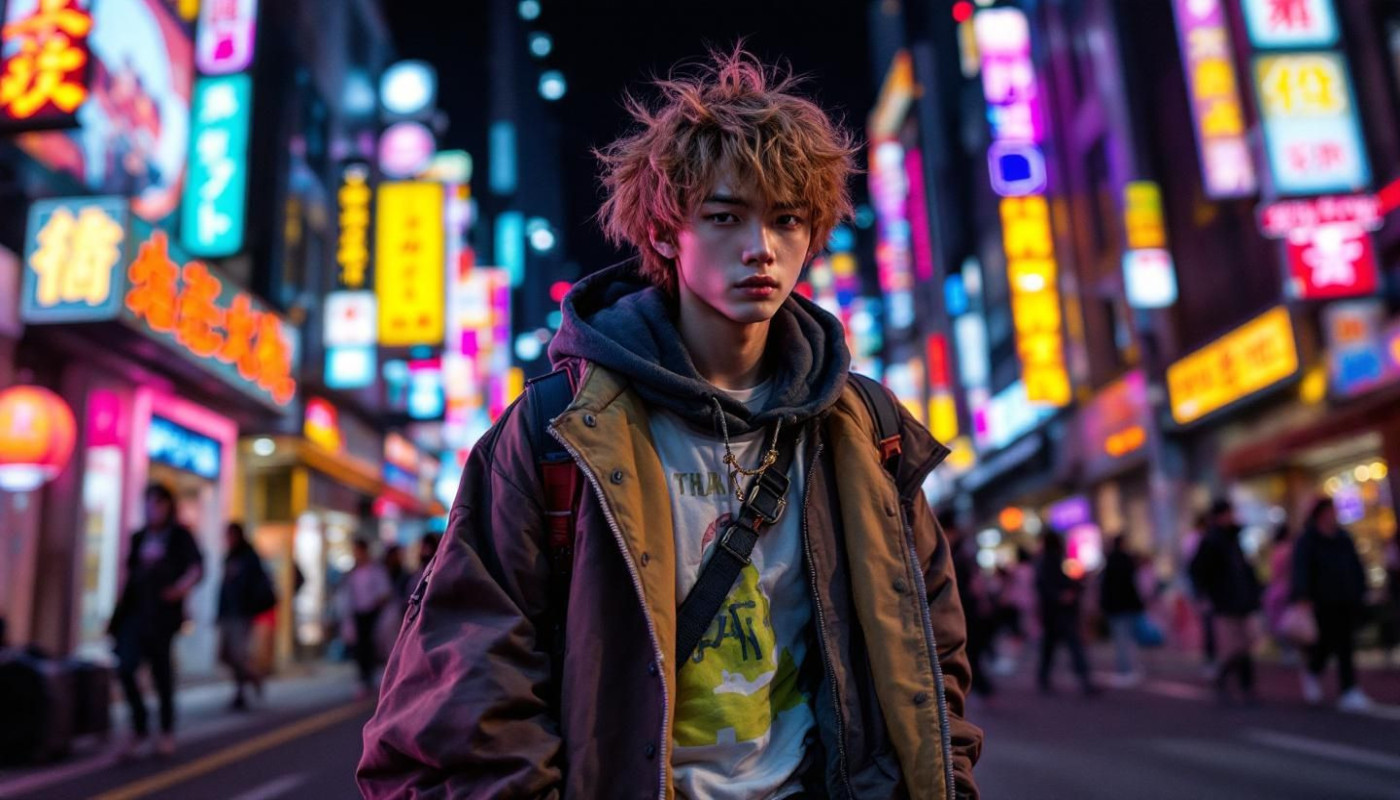
Japanese street fashion draws its roots from a dynamic interplay of global influence and the local reinterpretation of urban style, flourishing particularly in the vibrant districts of Tokyo and Osaka during the late 20th century. The importation of American skate, hip-hop, and punk aesthetics provided a foundation, but it was the creativity of local youth culture that truly defined the trend evolution in Japan. These young innovators infused international styles with native sensibilities, fostering a unique scene where individuality and experimentation thrived. The bustling energy of urban centers served as a catalyst, giving rise to diverse communities that competed for distinction and subcultural capital, a concept denoting the prestige and recognition acquired through association with trendsetting movements and exclusive styles.
Music, art, and nightlife played intertwined roles in shaping the identity of Japanese streetwear. Clubs and underground venues became gathering points for pioneers, where fashion was displayed as both personal expression and a marker of in-group status. Artists and musicians collaborated with designers, resulting in garments that blurred the boundaries between functionality and creative statement. Through this synergistic relationship, urban style in Japan not only reflected but also propelled broader youth culture, ensuring a continual evolution that kept Japanese street fashion at the forefront of global trends and solidified its reputation for innovation and cultural significance.
The role of Japanese aesthetics
Japanese aesthetics have left a profound mark on streetwear by championing a fashion philosophy that values both subtlety and expressive individuality. Minimalism remains a cornerstone, with clean lines and understated palettes reflecting the concept of wabi-sabi, which celebrates beauty in imperfection and transience. Designers often employ innovative design techniques such as intricate layering, oversized silhouettes, and the fusion of unexpected materials. This results in street style that is at once sophisticated and relaxed, standing out through details rather than ostentation. The practice of combining traditional garments, like kimonos or hakama, with contemporary pieces exemplifies a harmonious blend of modern tradition, creating a look that feels both rooted and forward-thinking.
Globally, this unique approach has influenced countless brands and urban fashion movements, encouraging experimentation and a reverence for craftsmanship. The export of Japanese street style, with its meticulous attention to detail and bold reinterpretations, has inspired a diverse audience seeking originality. Those interested in experiencing more from authentic Japanese aesthetics and exploring the roots of this cultural movement can read more on specialized platforms. This exploration deepens the appreciation of how innovative design and heritage continue to shape the evolution of global streetwear.
Influence of local subcultures
Local subcultures have significantly shaped the course of Japanese streetwear, with Harajuku style and Shibuya fashion serving as prime examples of how urban micro-communities drive innovation and set new standards for creative expression. Harajuku, known globally for its eclectic and experimental approach, became a breeding ground where young individuals challenged conventional dress codes, using clothing as a canvas to communicate personal and collective identities. Shibuya, meanwhile, emerged as a creative hotspot, blending Western influences with homegrown aesthetics to produce dynamic streetwear ensembles that reflected the ever-evolving urban lifestyle.
These districts function as incubators for new styles, fostering environments where trends can be tested, refined, and rapidly disseminated. The close-knit nature of micro-communities within Harajuku and Shibuya supports an ongoing dialogue between designers, influencers, and everyday fashion enthusiasts, accelerating the spread of innovative ideas. This synergy not only propels the local fashion scene forward but also enables these styles to transcend national borders, influencing global trends and redefining contemporary streetwear on an international stage.
Through the interplay of local subcultures and their micro-communities, Japanese streetwear has moved beyond imitation, establishing itself as a source of original inspiration for the worldwide fashion industry. Harajuku style's bold color combinations and accessory layering, paired with Shibuya fashion's versatility and adaptability, illustrate how grassroots movements can disrupt established norms. As a result, Japanese streetwear remains at the forefront of global trends, continually pushing boundaries and inspiring new forms of creative expression in cities around the world.
Media and streetwear diffusion
Streetwear media has played a pivotal role in shaping the diffusion and international recognition of Japanese street style. In the 1990s, magazines such as Fruits and Tune documented the eclectic outfits found on the streets of Harajuku, offering early windows into Japanese fashion diffusion for global audiences. As television features and later documentaries explored these subcultures, the imagery produced began to circulate far beyond Japan’s borders. With the rise of social networks, streetwear media became even more dynamic—platforms like Instagram and TikTok enabled rapid sharing of user-generated content, fueling ever-faster trend cycles. The prosumer, a technical term describing individuals who both produce and consume content, became central to this ecosystem, as everyday users and influencers alike collaborated in setting and spreading trends.
According to leading media studies professors with expertise in fashion communication, fashion diffusion today hinges on the interplay between traditional publications and digital social networks. Authenticity and immediacy are now delivered through street-level snapshots, hashtags, and viral videos, helping forge a global sense of community among streetwear fans. This interconnectedness encourages rapid adoption and adaptation of Japanese street style elements worldwide, with trend cycles accelerating as new looks are broadcast and reinterpreted across continents. In sum, the synergy between media channels and prosumer engagement has cemented Japanese streetwear’s influence in the global fashion landscape.
Future directions for Japanese streetwear
The Japanese streetwear future appears set for a dynamic evolution, with sustainability and digital innovation poised to drive significant transformation. As consumer values shift toward transparency, ethics, and responsibility, sustainable fashion will likely become a dominant force: brands may adopt biodegradable textiles, circular production models, and upcycling initiatives to align with these evolving trends. Digital innovation, including virtual fashion shows and augmented reality experiences, is expected to blend seamlessly with physical collections, offering consumers immersive ways to engage with brands and personalize their style. Disruptive innovation in fabric technology and blockchain authentication could further reshape trust and creativity in the industry, allowing designers to respond rapidly to global challenges such as climate change, supply chain disruptions, and the ever-changing landscape of consumer expectations.
Japanese designers, known for blending tradition with avant-garde aesthetics, are well-positioned to harness these shifts and serve as pioneers in redefining street fashion worldwide. The Japanese streetwear future may see a stronger focus on community-driven design and direct engagement between creators and consumers via new digital platforms, fostering deeper connections and rapid feedback loops. As evolving trends continue to shape both local and global markets, the integration of sustainable fashion principles and forward-thinking digital experiences will ensure that Japanese streetwear remains at the forefront of innovation and influence within the broader fashion ecosystem.
On the same subject

How Do Slimming Garments Enhance Body Confidence?

Exploring The Impact Of Streetwear On Modern Japanese Fashion?

Exploring The Rise Of Streetwear In Modern Japanese Fashion

Exploring The Resurgence Of 2000s Fashion Trends
Exploring The Rise Of Traditional Motifs In Modern Street Fashion
Exploring The Rise Of Streetwear Influence In Modern Japanese Fashion

How Modern Streetwear Merges With Traditional Japanese Apparel?

Exploring The Crossover Appeal Of Modern And Traditional Japanese Attire

Watches and wonders 2025, the Rolex Land-Dweller turns heads!

Where to buy a TAG Heuer watch in the Caribbean?

Exploring The Timeless Appeal Of Bohemian Dresses In Modern Fashion

How To Achieve A Salon-quality Manicure At Home With Nail Stickers

Exploring The Popularity Of Themed Slippers In Modern Fashion

Exploring The Versatility Of Aztec-Themed Blankets In Modern Home Decor

Accessorizing With Satin: Scarves And Ties For Every Occasion
